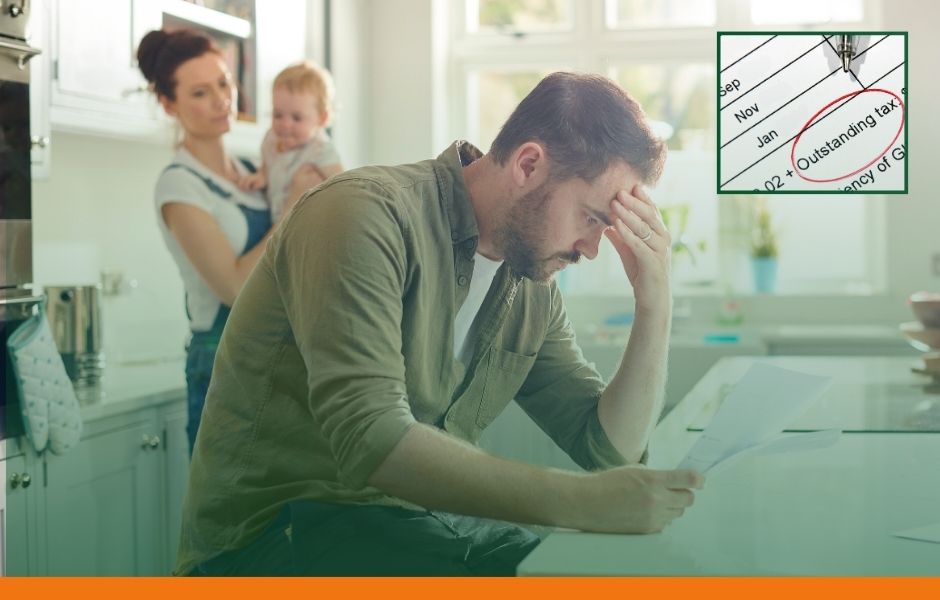
Receiving a letter from the IRS is stressful enough without having to worry about whether or not it’s a scam. Unfortunately, scammers are becoming increasingly sophisticated in their efforts to impersonate the IRS, making it more difficult to distinguish between legitimate communications and an IRS fraud letter. Here are five key signs to watch out for to identify whether an IRS letter is real or fake.
Check the Sender's Information
The first step in determining if an IRS letter is real is to examine the sender’s information carefully. A legitimate IRS letter will come from an official IRS address, which typically includes a government office location. Here are some things to look for:
- Official IRS Address: IRS letters will always be sent from a U.S. Department of the Treasury address. Look for the correct format, including “Internal Revenue Service” at the top.
- IRS Seal: While legitimate letters include the official IRS seal and a Department of the Treasury return address, scammers can easily clone these graphics. The absolute safest way to verify a sender is to log into your secure IRS Online Account via IRS.gov to see if a digital copy of the notice is waiting in your file.
If the letter comes from a suspicious address or lacks official IRS markings, it’s likely fake.
Look for an Official Notice Number
Every official IRS letter will include a notice or letter number, which is typically found at the top right corner of the document. This number helps you identify the type of notice you’ve received and the reason for the IRS contacting you.
- Notice Number: The notice number begins with either “CP” (for computer paragraph notices) or “LTR” (for letter notices), followed by a series of numbers (e.g., CP2000 or LTR3219).
- Cross-Reference: You can cross-reference this notice number on the IRS website to verify its legitimacy. The IRS provides detailed information about what each notice means, so this is a good way to confirm if the letter is real.
If the notice number is missing or doesn’t match any known IRS notice types, it’s a red flag
Review the Payment Instructions
Scammers often try to trick individuals into sending money directly to them by including fake payment instructions in fraudulent letters. The IRS has strict protocols for how they request payments:
- Payment to “United States Treasury”: The IRS will never ask you to make a payment to an individual, a private entity, or any name other than the “United States Treasury.”
- Authorized Payment Methods: The IRS may direct you to use specific payment methods like the Electronic Federal Tax Payment System (EFTPS), Direct Pay, or send checks to official IRS addresses. Be suspicious if the letter suggests unusual payment methods like prepaid debit cards, gift cards, or wire transfers.
Always verify payment instructions directly with the IRS if you’re unsure.
Analyze the Tone and Language
The language and tone of an IRS letter can be telling. The IRS is a formal government agency, and their letters reflect this:
- Professional Language: Real IRS letters are written in clear, formal, and professional language. The content will be straightforward and free from threats or coercive language.
- Lack of Urgency: While the IRS may impose deadlines, they typically provide a reasonable timeframe to respond. Scammers, on the other hand, often use high-pressure tactics, such as demanding immediate payment or threatening arrest, to frighten victims into compliance.
If the letter uses aggressive language, demands immediate action, or threatens severe consequences without due process, it is likely a scam.
Confirm with IRS Contact Information
Finally, always check the contact information provided in the letter:
- Official IRS Contact: The IRS uses thousands of niche internal numbers that may not be explicitly listed on their public website. If you are suspicious, never call the number printed on the letter. Instead, call the primary, verified IRS customer service line at 800-829-1040 to verify the document’s legitimacy.
- Never Request Personal Information via Email/Phone: The IRS will never ask for sensitive personal information, such as Social Security numbers, PINs, or passwords, through email or over the phone.
If the letter asks you to contact a number that doesn’t appear to be from the IRS or requests sensitive information in an unusual manner, it’s best to contact the IRS using official channels to verify the legitimacy of the letter.
Consult with a Tax Professional on IRS Letters
Especially with the advent of AI, scammers have gotten more advanced with sending out IRS-impersonated letters. Stay vigilant when receiving any mail that appears to be from the IRS. Checking the sender’s information, verifying the notice number, reviewing the payment instructions, analyzing the tone and language, and confirming the contact information can help protect you from falling victim to scams. If you are ever in doubt, don’t hesitate to contact a tax professional to ensure that you’re dealing with a legitimate IRS letter.